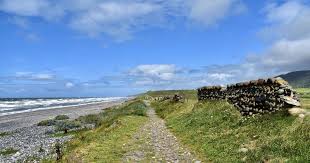
Are you dreaming of sun-soaked days by the sea, but worried about what lurks beneath the waves? You might want to think again! This post dives into a startling revelation: one of the UK's beaches has been dubbed the dirtiest, with a concerning 'water cleanliness' score that could make even the most seasoned beachgoer second-guess their next seaside escape. From murky waters to hidden hazards, we'll uncover which beach has earned this dubious distinction and explore how other locations fare in comparison. So grab your towel and prepare for an eye-opening journey through Britain's coastline—because when it comes to enjoying our beautiful shores, knowledge is your best sunscreen!
Enabling loopback connections in WordPress means making sure your server can make HTTP requests to itself (e.g., calling https://yoursite.com/wp-cron.php from within itself). Loopback is required for: WP-Cron jobs Plugin/theme editors (to verify file write permissions) Some site health checks ( Tools > Site Health ) Automatic updates ✅ What Is a Loopback Request? A loopback is when your WordPress site tries to request a URL from itself using tools like wp_remote_get() or fsockopen() . For example: $response = wp_remote_get ( home_url ( '/wp-cron.php' ) ); If this fails, you might see warnings in Tools > Site Health like: “Your site could not complete a loopback request.” 🛠 How to Enable Loopback Requests Here are the key steps depending on your hosting/server setup: ✅ 1. Make Sure localhost or Domain Resolves Internally Check your server can resolve requests to itself. Use this quick PHP script: Create a file test-loopback.php i...
Comments
Post a Comment