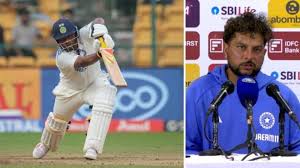
In the high-octane world of cricket, where every ball can change the course of a match, the dynamics between batsmen and bowlers are always intriguing. Enter Sarfaraz Ahmed—a name that has become synonymous with aggressive batting and fearless intent. But what happens when spinners step onto the field? In this blog post, we delve into Kuldeep Yadav's insights as he shares how Sarfaraz's audacious approach keeps spin bowlers on their toes, never allowing them to find their rhythm. Join us as we explore this fascinating duel in cricket strategy—where patience meets aggression—and uncover why facing a batter like Sarfaraz is no walk in the park for any spinner!
Enabling loopback connections in WordPress means making sure your server can make HTTP requests to itself (e.g., calling https://yoursite.com/wp-cron.php from within itself). Loopback is required for: WP-Cron jobs Plugin/theme editors (to verify file write permissions) Some site health checks ( Tools > Site Health ) Automatic updates ✅ What Is a Loopback Request? A loopback is when your WordPress site tries to request a URL from itself using tools like wp_remote_get() or fsockopen() . For example: $response = wp_remote_get ( home_url ( '/wp-cron.php' ) ); If this fails, you might see warnings in Tools > Site Health like: “Your site could not complete a loopback request.” 🛠 How to Enable Loopback Requests Here are the key steps depending on your hosting/server setup: ✅ 1. Make Sure localhost or Domain Resolves Internally Check your server can resolve requests to itself. Use this quick PHP script: Create a file test-loopback.php i...
Comments
Post a Comment