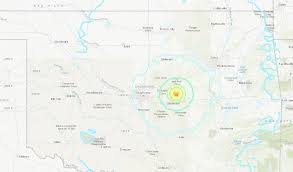
Shaking grounds, trembling hearts, and a world turned upside down - an earthquake has struck the heartland of Oklahoma, leaving its residents in awe and disbelief. In a state known for its tranquil plains and serene landscapes, this seismic event has rocked communities to their core. Join us as we delve into the aftermath of this powerful natural phenomenon that shook much of Oklahoma. Brace yourself for an eye-opening journey through shattered homes, resilient spirits, and the unbreakable unity that emerges amidst adversity. Get ready to uncover the untold stories behind this earth-shattering event on our blog today!
Enabling loopback connections in WordPress means making sure your server can make HTTP requests to itself (e.g., calling https://yoursite.com/wp-cron.php from within itself). Loopback is required for: WP-Cron jobs Plugin/theme editors (to verify file write permissions) Some site health checks ( Tools > Site Health ) Automatic updates ✅ What Is a Loopback Request? A loopback is when your WordPress site tries to request a URL from itself using tools like wp_remote_get() or fsockopen() . For example: $response = wp_remote_get ( home_url ( '/wp-cron.php' ) ); If this fails, you might see warnings in Tools > Site Health like: “Your site could not complete a loopback request.” 🛠 How to Enable Loopback Requests Here are the key steps depending on your hosting/server setup: ✅ 1. Make Sure localhost or Domain Resolves Internally Check your server can resolve requests to itself. Use this quick PHP script: Create a file test-loopback.php i...
Comments
Post a Comment