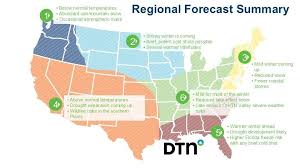
As winter approaches, the familiar whispers of El Niño begin to fade into the background, making room for a new player on the meteorological stage. This season is poised to bring unexpected twists and turns in our weather patterns, shaking up the predictions we've come to rely on. Gone are the days when we could easily predict snowstorms and warm spells based solely on that infamous climate phenomenon. Instead, a fresh set of conditions emerges—bringing with it intrigue, excitement, and perhaps even a few surprises! Join us as we dive into what this shift means for your winter plans and how you can prepare for whatever Mother Nature has in store. Buckle up; it's going to be an exhilarating ride through an uncharted winter landscape!
Enabling loopback connections in WordPress means making sure your server can make HTTP requests to itself (e.g., calling https://yoursite.com/wp-cron.php from within itself). Loopback is required for: WP-Cron jobs Plugin/theme editors (to verify file write permissions) Some site health checks ( Tools > Site Health ) Automatic updates ✅ What Is a Loopback Request? A loopback is when your WordPress site tries to request a URL from itself using tools like wp_remote_get() or fsockopen() . For example: $response = wp_remote_get ( home_url ( '/wp-cron.php' ) ); If this fails, you might see warnings in Tools > Site Health like: “Your site could not complete a loopback request.” 🛠 How to Enable Loopback Requests Here are the key steps depending on your hosting/server setup: ✅ 1. Make Sure localhost or Domain Resolves Internally Check your server can resolve requests to itself. Use this quick PHP script: Create a file test-loopback.php i...
Comments
Post a Comment