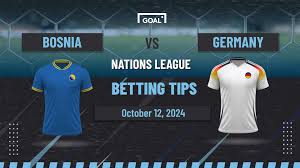
As the anticipation builds for what promises to be an electrifying clash on the pitch, all eyes are set on Sarajevo as Bosnia-Herzegovina prepares to face off against footballing powerhouse Germany. With recent encounters leaving Bosnian fans reeling from heavy defeats, there's a palpable tension in the air—will history repeat itself, or can Bosnia turn the tide and shock their opponents? In this blog post, we'll dive deep into team form, player insights, and strategic predictions as we explore whether Bosnia can overcome their demons and rise to the occasion or if they'll succumb once more under the weight of German prowess. Get ready for a thrilling analysis that's sure to spark conversation among fans!
Enabling loopback connections in WordPress means making sure your server can make HTTP requests to itself (e.g., calling https://yoursite.com/wp-cron.php from within itself). Loopback is required for: WP-Cron jobs Plugin/theme editors (to verify file write permissions) Some site health checks ( Tools > Site Health ) Automatic updates ✅ What Is a Loopback Request? A loopback is when your WordPress site tries to request a URL from itself using tools like wp_remote_get() or fsockopen() . For example: $response = wp_remote_get ( home_url ( '/wp-cron.php' ) ); If this fails, you might see warnings in Tools > Site Health like: “Your site could not complete a loopback request.” 🛠 How to Enable Loopback Requests Here are the key steps depending on your hosting/server setup: ✅ 1. Make Sure localhost or Domain Resolves Internally Check your server can resolve requests to itself. Use this quick PHP script: Create a file test-loopback.php i...
Comments
Post a Comment