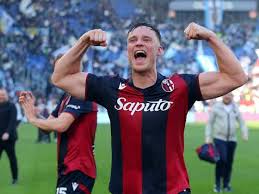
In the fast-paced world of football, where every decision can reverberate through club history, few moments capture attention quite like a bold refusal. Enter Beukema, the rising star who recently turned down an enticing proposal from Slot and took a stand by urging Calafiori to 'stay back.' What prompted this unexpected twist in their saga? Join us as we dive into the motivations behind Beukema's choices, explore the implications for both players and clubs involved, and uncover what this means for their futures on and off the pitch. Buckle up—this is one story that's sure to keep you on your toes!
Enabling loopback connections in WordPress means making sure your server can make HTTP requests to itself (e.g., calling https://yoursite.com/wp-cron.php from within itself). Loopback is required for: WP-Cron jobs Plugin/theme editors (to verify file write permissions) Some site health checks ( Tools > Site Health ) Automatic updates ✅ What Is a Loopback Request? A loopback is when your WordPress site tries to request a URL from itself using tools like wp_remote_get() or fsockopen() . For example: $response = wp_remote_get ( home_url ( '/wp-cron.php' ) ); If this fails, you might see warnings in Tools > Site Health like: “Your site could not complete a loopback request.” 🛠 How to Enable Loopback Requests Here are the key steps depending on your hosting/server setup: ✅ 1. Make Sure localhost or Domain Resolves Internally Check your server can resolve requests to itself. Use this quick PHP script: Create a file test-loopback.php i...
Comments
Post a Comment