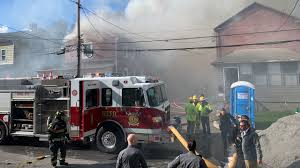
Boom! The tranquility of Wappingers Falls was shattered by a sudden and devastating explosion that sent shockwaves through the community. News of the building collapse and injuries spread like wildfire, leaving everyone desperate for answers. In this gripping blog post, we delve deep into what we know so far about this tragic incident, uncovering the facts, piecing together witness accounts, and shedding light on the aftermath. Brace yourselves as we embark on an eye-opening journey to unravel the mystery behind this unforgettable catastrophe in Wappingers Falls.
Enabling loopback connections in WordPress means making sure your server can make HTTP requests to itself (e.g., calling https://yoursite.com/wp-cron.php from within itself). Loopback is required for: WP-Cron jobs Plugin/theme editors (to verify file write permissions) Some site health checks ( Tools > Site Health ) Automatic updates ✅ What Is a Loopback Request? A loopback is when your WordPress site tries to request a URL from itself using tools like wp_remote_get() or fsockopen() . For example: $response = wp_remote_get ( home_url ( '/wp-cron.php' ) ); If this fails, you might see warnings in Tools > Site Health like: “Your site could not complete a loopback request.” 🛠 How to Enable Loopback Requests Here are the key steps depending on your hosting/server setup: ✅ 1. Make Sure localhost or Domain Resolves Internally Check your server can resolve requests to itself. Use this quick PHP script: Create a file test-loopback.php i...
Comments
Post a Comment