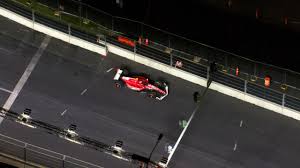
Attention all racing fans! Hold on to your seats because we've got some adrenaline-pumping news for you. Brace yourselves as we dive into the heart-stopping action that unfolded during Free Practice 1 in Las Vegas. Just when things were heating up, an unexpected twist took place, courtesy of none other than the talented Carlos Sainz. Get ready to feel the thrill and excitement as we take a closer look at how Sainz brought a captivating end to this practice session with an exhilarating on-track stoppage. Buckle up, folks – this is one blog post you won't want to miss!
Enabling loopback connections in WordPress means making sure your server can make HTTP requests to itself (e.g., calling https://yoursite.com/wp-cron.php from within itself). Loopback is required for: WP-Cron jobs Plugin/theme editors (to verify file write permissions) Some site health checks ( Tools > Site Health ) Automatic updates ✅ What Is a Loopback Request? A loopback is when your WordPress site tries to request a URL from itself using tools like wp_remote_get() or fsockopen() . For example: $response = wp_remote_get ( home_url ( '/wp-cron.php' ) ); If this fails, you might see warnings in Tools > Site Health like: “Your site could not complete a loopback request.” 🛠 How to Enable Loopback Requests Here are the key steps depending on your hosting/server setup: ✅ 1. Make Sure localhost or Domain Resolves Internally Check your server can resolve requests to itself. Use this quick PHP script: Create a file test-loopback.php i...
Comments
Post a Comment