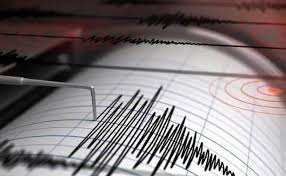
Breaking News: The ground beneath us trembles again, as nature delivers yet another powerful reminder of its mighty force. Brace yourselves, dear readers, for we bring you the latest seismic upheaval that has shaken the Dominican Republic region! Hold on tight and join us on a gripping journey into the heart of this magnitude 5.3 earthquake—where stories of resilience, destruction, and survival await to be unraveled. Prepare to dive headfirst into a world where Mother Nature reigns supreme and leaves an indelible mark on those who call this vibrant land home.
Enabling loopback connections in WordPress means making sure your server can make HTTP requests to itself (e.g., calling https://yoursite.com/wp-cron.php from within itself). Loopback is required for: WP-Cron jobs Plugin/theme editors (to verify file write permissions) Some site health checks ( Tools > Site Health ) Automatic updates ✅ What Is a Loopback Request? A loopback is when your WordPress site tries to request a URL from itself using tools like wp_remote_get() or fsockopen() . For example: $response = wp_remote_get ( home_url ( '/wp-cron.php' ) ); If this fails, you might see warnings in Tools > Site Health like: “Your site could not complete a loopback request.” 🛠 How to Enable Loopback Requests Here are the key steps depending on your hosting/server setup: ✅ 1. Make Sure localhost or Domain Resolves Internally Check your server can resolve requests to itself. Use this quick PHP script: Create a file test-loopback.php i...
Comments
Post a Comment