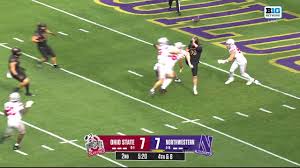
In the heart of Ohio, where football dreams collide with electrifying moments, one play turned the tide in a fierce battle on the gridiron: a perfectly executed blocked punt that sent shockwaves through the stadium and set up Quinshon Judkins for a spectacular rushing touchdown against Northwestern. As fans roared and adrenaline surged, this pivotal moment showcased not just athletic prowess but also strategic brilliance—a reminder of why we love college football. Join us as we break down this game-changing play and explore how it ignited both team spirit and hopes for victory!
Enabling loopback connections in WordPress means making sure your server can make HTTP requests to itself (e.g., calling https://yoursite.com/wp-cron.php from within itself). Loopback is required for: WP-Cron jobs Plugin/theme editors (to verify file write permissions) Some site health checks ( Tools > Site Health ) Automatic updates ✅ What Is a Loopback Request? A loopback is when your WordPress site tries to request a URL from itself using tools like wp_remote_get() or fsockopen() . For example: $response = wp_remote_get ( home_url ( '/wp-cron.php' ) ); If this fails, you might see warnings in Tools > Site Health like: “Your site could not complete a loopback request.” 🛠 How to Enable Loopback Requests Here are the key steps depending on your hosting/server setup: ✅ 1. Make Sure localhost or Domain Resolves Internally Check your server can resolve requests to itself. Use this quick PHP script: Create a file test-loopback.php i...
Comments
Post a Comment