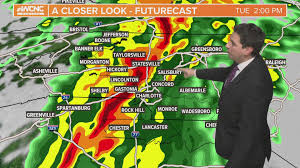
Attention Carolinas residents: brace yourselves for the stormy symphony of thunder, lightning, and wild winds! As we dive headfirst into 2024, Mother Nature has wasted no time in delivering her first severe weather warning to our beloved region. So grab your umbrellas and batten down the hatches because it's time to get weather aware. In this blog post, we'll explore the imminent threat looming over the Carolinas, deciphering its characteristics, potential impacts, and most importantly – how you can stay safe amidst nature's tempestuous performance.
Enabling loopback connections in WordPress means making sure your server can make HTTP requests to itself (e.g., calling https://yoursite.com/wp-cron.php from within itself). Loopback is required for: WP-Cron jobs Plugin/theme editors (to verify file write permissions) Some site health checks ( Tools > Site Health ) Automatic updates ✅ What Is a Loopback Request? A loopback is when your WordPress site tries to request a URL from itself using tools like wp_remote_get() or fsockopen() . For example: $response = wp_remote_get ( home_url ( '/wp-cron.php' ) ); If this fails, you might see warnings in Tools > Site Health like: “Your site could not complete a loopback request.” 🛠 How to Enable Loopback Requests Here are the key steps depending on your hosting/server setup: ✅ 1. Make Sure localhost or Domain Resolves Internally Check your server can resolve requests to itself. Use this quick PHP script: Create a file test-loopback.php i...
Comments
Post a Comment