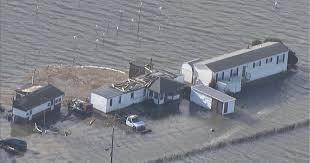
Attention beach lovers and travel enthusiasts! Brace yourselves for some shocking news straight from the stunning shores of Hampton Beach, New Hampshire. As the mighty Atlantic Ocean unleashes its powerful waves, an unforeseen flooding emergency has been declared by this picturesque coastal town. Prepare to be amazed as we delve into the extraordinary events that unfolded due to these mind-bogglingly high seas. From heart-stopping visuals to jaw-dropping tales of bravery and resilience, this blog post will transport you right into the eye of nature's awe-inspiring storm. So grab your virtual surfboard and join us on this thrilling adventure along Hampton Beach, where Mother Nature's power reigns supreme!
Enabling loopback connections in WordPress means making sure your server can make HTTP requests to itself (e.g., calling https://yoursite.com/wp-cron.php from within itself). Loopback is required for: WP-Cron jobs Plugin/theme editors (to verify file write permissions) Some site health checks ( Tools > Site Health ) Automatic updates ✅ What Is a Loopback Request? A loopback is when your WordPress site tries to request a URL from itself using tools like wp_remote_get() or fsockopen() . For example: $response = wp_remote_get ( home_url ( '/wp-cron.php' ) ); If this fails, you might see warnings in Tools > Site Health like: “Your site could not complete a loopback request.” 🛠 How to Enable Loopback Requests Here are the key steps depending on your hosting/server setup: ✅ 1. Make Sure localhost or Domain Resolves Internally Check your server can resolve requests to itself. Use this quick PHP script: Create a file test-loopback.php i...
Comments
Post a Comment