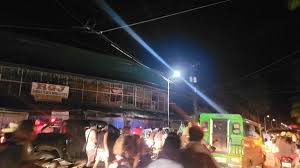
Shaking the peaceful shores of the Philippines' Mindanao, Mother Nature unleashed her mighty power with a magnitude 7.5 earthquake that left the world momentarily breathless. As buildings swayed and fear gripped hearts, news of an imminent tsunami threat seemed to hang in the air like an impending storm. Yet, against all odds, hope prevailed as nature's fury receded and resilience emerged from within the resilient souls of Mindanaoans. Join us as we delve into this riveting tale of survival and strength amidst chaos, where heroes rise from rubble and communities knit tighter than ever before – a story that will leave you awe-inspired by humanity's indomitable spirit in adversity.
Enabling loopback connections in WordPress means making sure your server can make HTTP requests to itself (e.g., calling https://yoursite.com/wp-cron.php from within itself). Loopback is required for: WP-Cron jobs Plugin/theme editors (to verify file write permissions) Some site health checks ( Tools > Site Health ) Automatic updates ✅ What Is a Loopback Request? A loopback is when your WordPress site tries to request a URL from itself using tools like wp_remote_get() or fsockopen() . For example: $response = wp_remote_get ( home_url ( '/wp-cron.php' ) ); If this fails, you might see warnings in Tools > Site Health like: “Your site could not complete a loopback request.” 🛠 How to Enable Loopback Requests Here are the key steps depending on your hosting/server setup: ✅ 1. Make Sure localhost or Domain Resolves Internally Check your server can resolve requests to itself. Use this quick PHP script: Create a file test-loopback.php i...
Comments
Post a Comment